
Posted
Cannabis extraction methods
Cannabis extraction methods compared: CO2, hydrocarbon and ethanol
Three solvents dominate industrial cannabis extraction. Each one dissolves a different set of compounds, carries a different hazard, and leaves a different question for the laboratory.
Every cannabis extract starts with a solvent choice, and that choice decides more about the result than any later step can undo. The Cannabis Regulations define a cannabis extract, in section 1(1), as a substance produced by subjecting cannabis to extraction processing. What the definition leaves open is what does the extracting. In industrial practice, three cannabis extraction methods account for most of the answer: carbon dioxide, liquefied hydrocarbons such as butane and propane, and ethanol.
This is an account of those processes as they run under licence. It is not a method, and nothing in it transfers to a home setting. The law is explicit on that point. Section 12(1)(b) of the Cannabis Act prohibits altering the chemical or physical properties of cannabis by the use of an organic solvent unless authorized, and section 12(3) defines an organic solvent as any organic compound that is explosive or highly or extremely flammable, naming butane, isobutane, propane and propylene among them. Under section 17(4) of the Cannabis Regulations, the holder of a processing licence is authorized to use an organic solvent when producing cannabis.
In this article:
What every method is trying to do
Extraction separates the compounds a solvent can dissolve from the bulk of the starting material. Cannabinoids are oil-soluble, so any of the three solvents will take them. The real differences lie in what else comes along. A 2022 comparison of industrial cannabis extraction methods in Frontiers in Natural Products, built from patents and pilot-scale studies, identifies the solubility and diffusivity of the cannabinoids in the solvent as the parameters that govern both efficiency and selectivity. Its authors also note that unwanted compounds are often co-extracted because the methods lack selectivity.
Those unwanted compounds are the same short list in every case: plant waxes and other lipids, chlorophyll, and material that dissolves in water. Each solvent takes a different share of them. That share decides how much refining the crude oil needs afterwards, and which contaminants the laboratory has to look for.
The three cannabis extraction methods, solvent by solvent
Ethanol
Ethanol is a polar solvent with strong solvent power, and that is both its use and its limit. The 2022 review notes that it dissolves cannabinoids readily, but also pulls in molecules that dissolve in water, such as chlorophyll, glycosides and sugars, which then have to be removed. It dissolves lipids less than the non-polar solvents do, though a winterization step to remove waxes may still be needed. Running the extraction with chilled solvent reduces the co-extraction of chlorophyll, triglycerides and waxes, at the cost of energy for cooling and a slightly lower yield. The solvent is then evaporated off. The review cites a residual limit for ethanol of 5,000 parts per million under the international ICH guideline.
Hydrocarbons: butane and propane
Butane and propane are non-polar. The review notes that butane does not dissolve chlorophyll and is selective for the neutral cannabinoids and lighter aromatic compounds, but co-extracts waxes more readily, so further purification follows. Because both gases boil at low temperatures, they can be purged from the extract by warming it, and the extract may then contain practically no solvent residue.
The cost is the hazard. Both are highly flammable and require safety facilities against the risk of explosion, and the process runs in closed vessels with systems that capture the solvent for reuse. It is a batch process, so the review notes that scale comes from adding units. Its yields fell in the same range as ethanol's. These are the solvents the Cannabis Act names when it defines an organic solvent, which is why they sit at the centre of the prohibition above.
Carbon dioxide
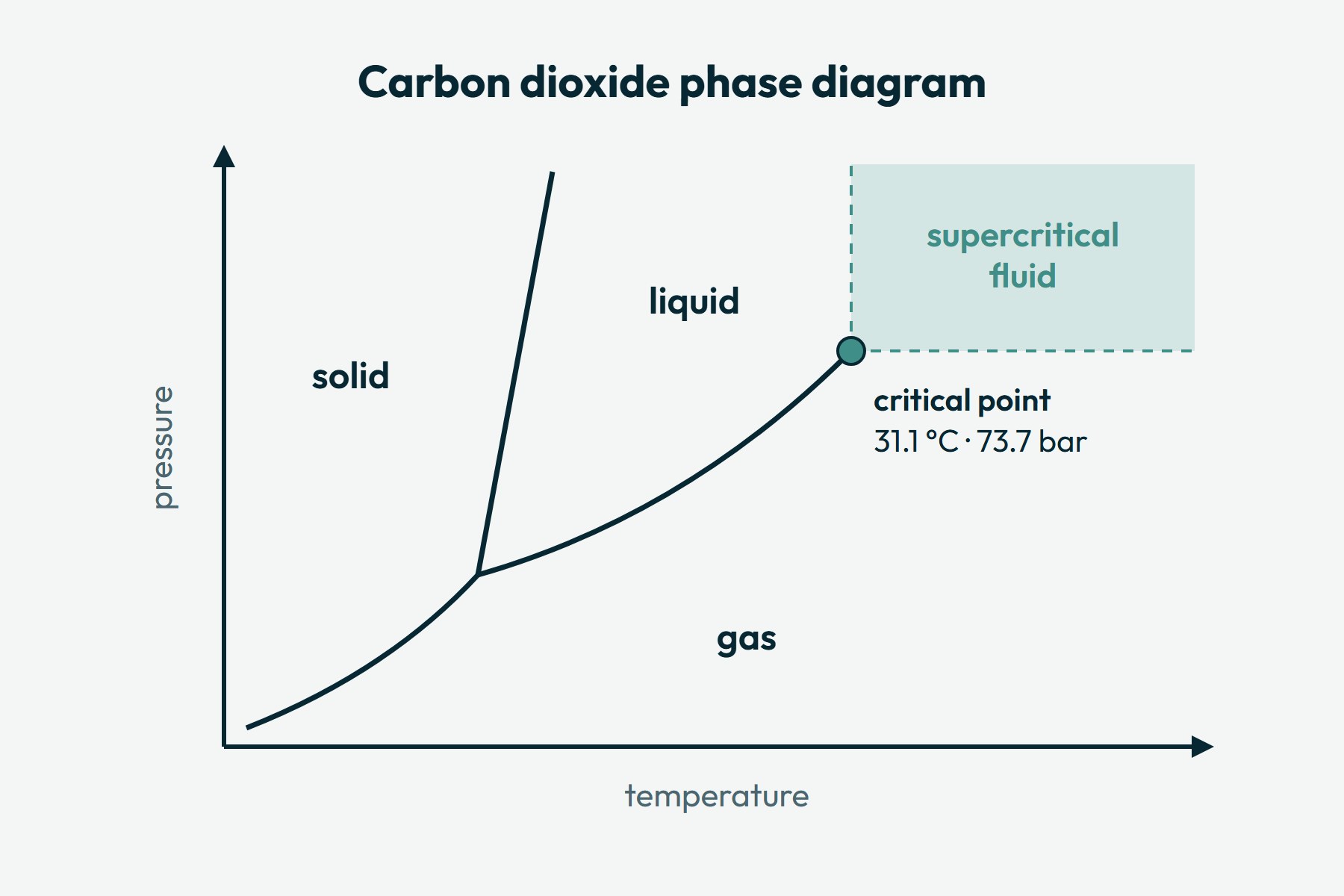
Carbon dioxide works differently. Above its critical point, which the review gives as 31.1 °C and 73.7 bar, it becomes a supercritical fluid. Its solvent power follows its density, and density can be changed by adjusting pressure and temperature. That gives an operator a way to tune what dissolves.
The review lists its advantages as non-toxic, non-flammable, recyclable and residue-free. Against that, polar compounds dissolve poorly in it, it co-extracts large amounts of waxes that require winterization, and it needs elevated pressures and expensive equipment. The comparison data cut against a common assumption. Carbon dioxide did not exceed the yields of ethanol or hexane, its solvent-to-material ratios reached 192 litres per kilogram against 5 to 44 for ethanol, and runs took three to six hours where butane takes minutes.
What follows extraction, and what the law checks
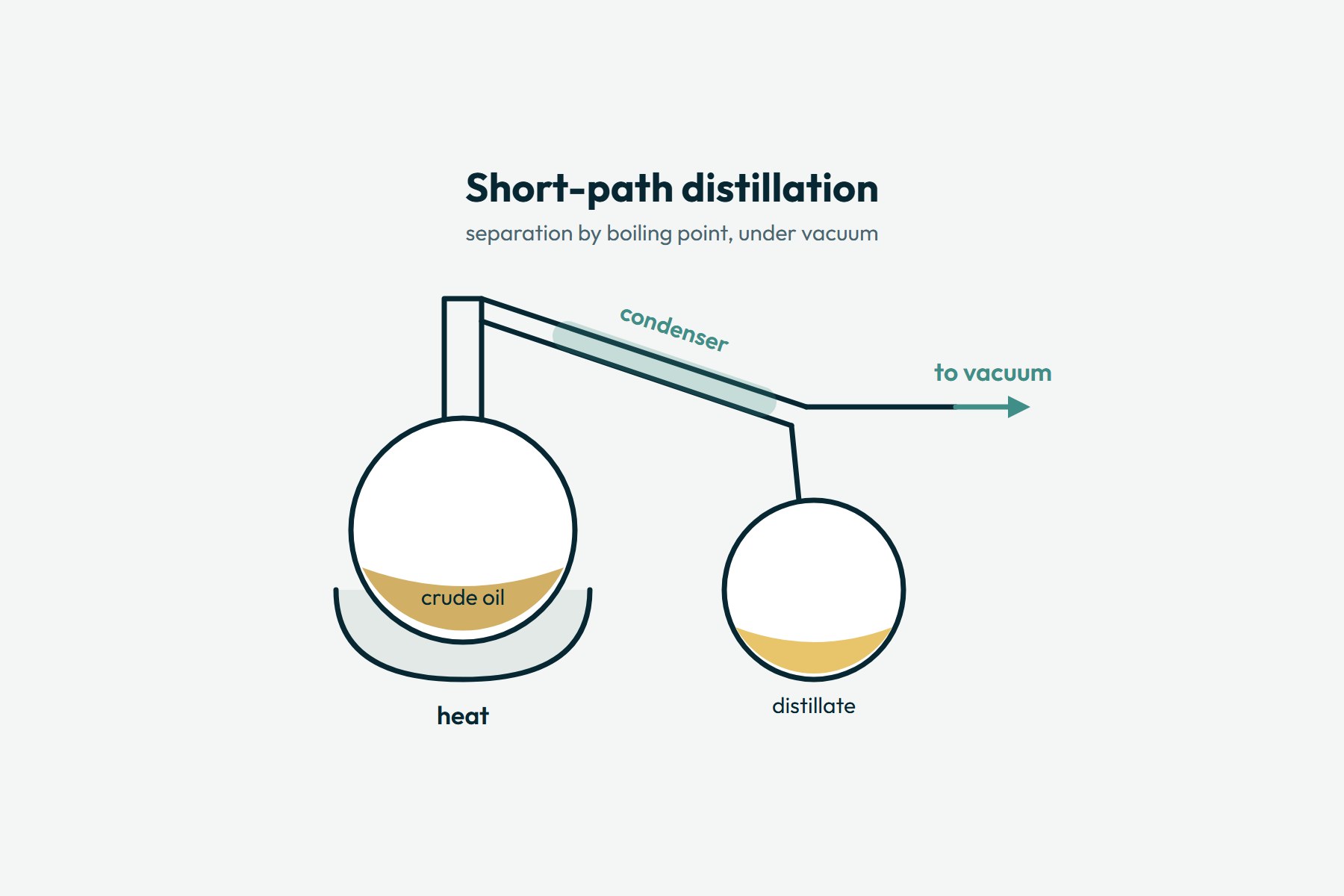
None of these cannabis extraction methods produces a finished material. Each produces a crude oil that still carries waxes, pigments and other co-extracted compounds in proportions that depend on the solvent and the conditions. Refining follows. One common route is described in our post on distillation THC.
The law then tests the result, whatever solvent made it. Health Canada's good production practices guide lists residual solvents among the chemical contaminants that section 91 of the Regulations requires to be tested for. Section 101.1 then says a cannabis extract must not contain chemical contaminants beyond generally accepted tolerance limits established in a publication referred to in Schedule B to the Food and Drugs Act. Section 92 requires that testing to use validated methods on a representative sample of each lot or batch. Health Canada's own table of residual solvent limits has not been incorporated by reference in the Regulations since October 17, 2019.
The practical consequence is that the choice of solvent changes which residues matter, not whether the extract is tested. The wider set of obligations a licence carries is covered in what a Health Canada licence requires of a processor. We do not describe our suppliers or their methods. What our pages state is that cannabinoid inputs are sourced from licensed suppliers and verified on receipt.