Contact Us Careers Blog Servicing Areas

Blog

Notes from the garden

Notes from the lab — cannabinoid formulation, chocolate science, and how legal edibles are made and regulated in Canada.

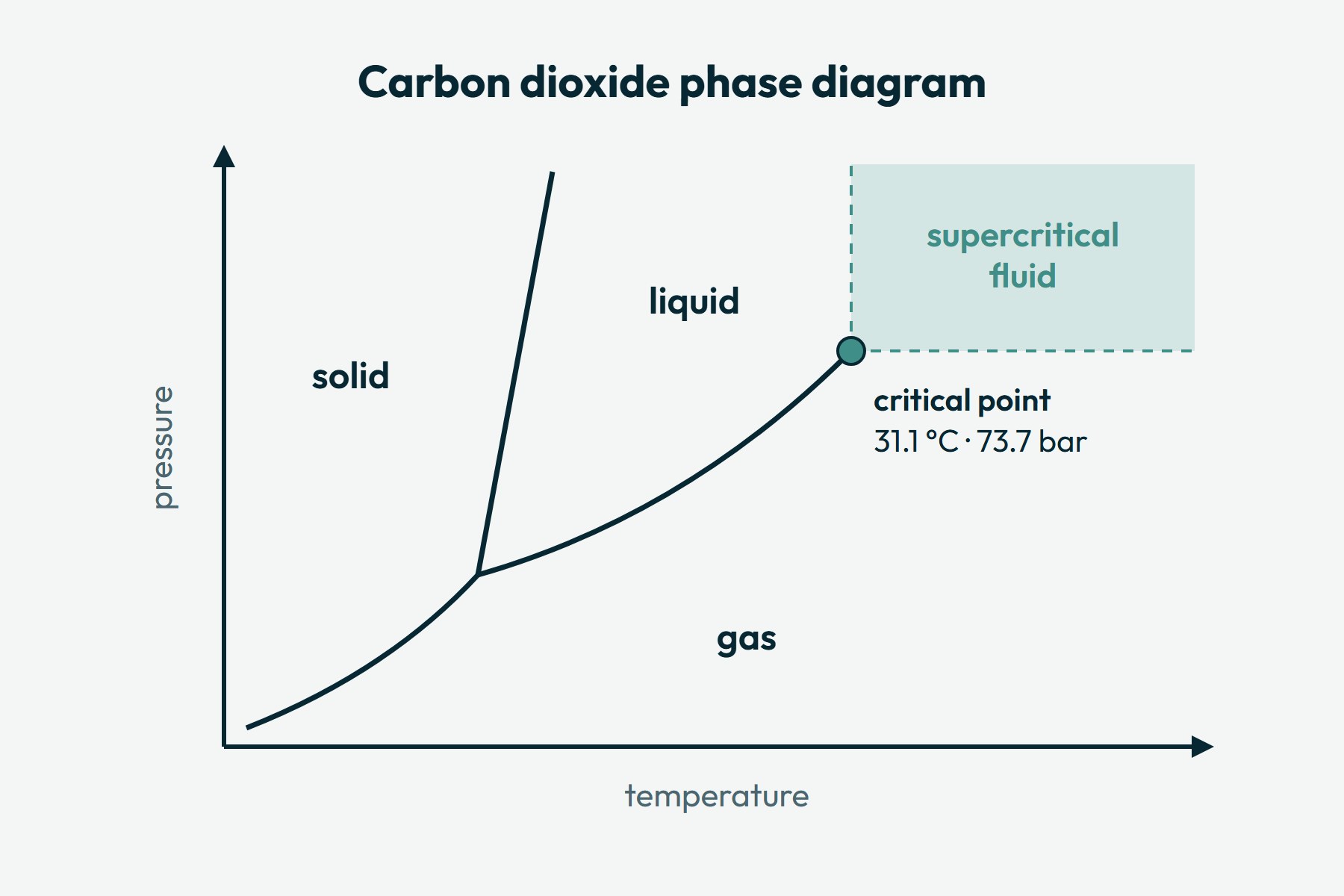
Phase diagram of carbon dioxide showing solid, liquid, gas and supercritical fluid regions, with the critical point at 31.1 °C and 73.7 bar

Cannabis extraction methods: CO2, hydrocarbon, ethanol

Carbon dioxide, hydrocarbon and ethanol extraction compared as licensed industrial processes: how each solvent works, what it co-extracts, what is tested.

Read more →
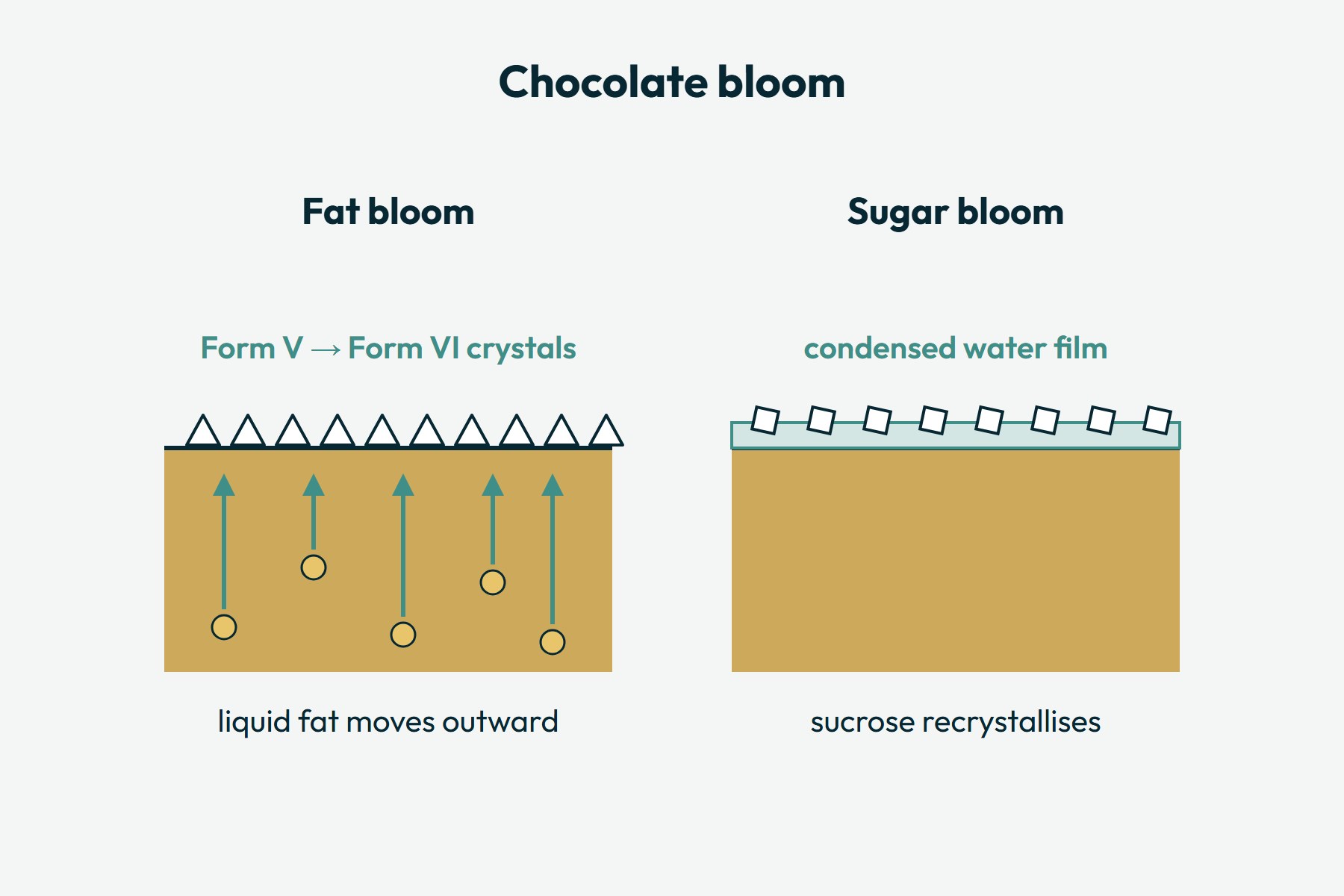
Diagram of fat bloom, with liquid fat moving to the surface as Form V to Form VI crystals, beside sugar bloom forming in a condensed water film

Chocolate bloom: what fat bloom and sugar bloom are

What the white film on chocolate is: fat bloom and sugar bloom, the crystal and moisture processes that cause each, and how production conditions prevent them.

Read more →
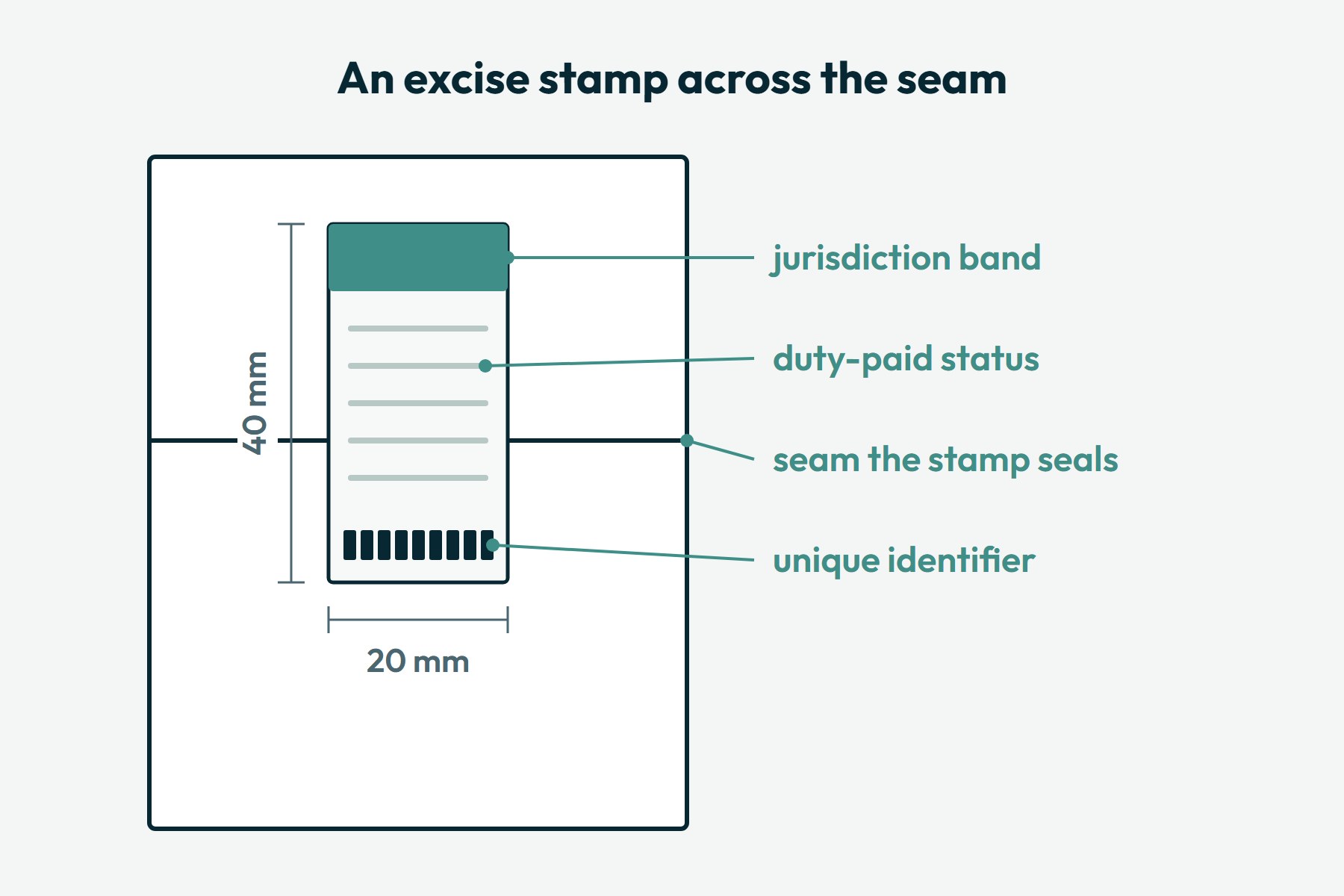
Line diagram of a generic 20 by 40 mm excise stamp across a carton seam, marking the jurisdiction band, duty-paid status and identifier

Cannabis excise stamp: what it is and what it proves

What the cannabis excise stamp on a legal Canadian package is, who issues and applies it, where it must sit on the package, and what it does and does not prove.

Read more →
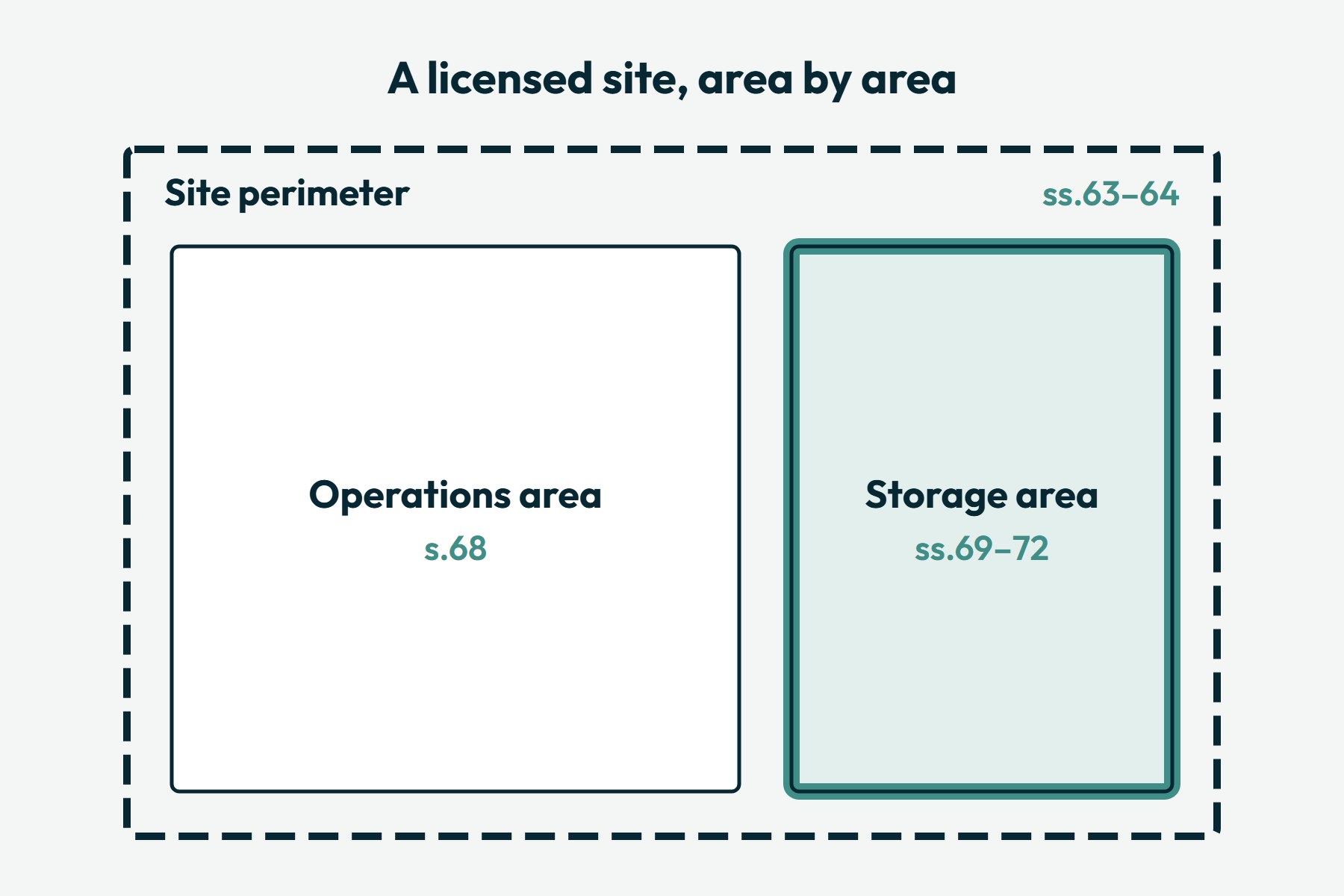
Schematic plan of a generic licensed site: perimeter, operations area and storage area, each labelled with its section numbers

Cannabis storage facility rules under the Regulations

What the Cannabis Regulations require of a licensed site where cannabis is stored: restricted access, barriers, monitoring, intrusion detection and records.

Read more →
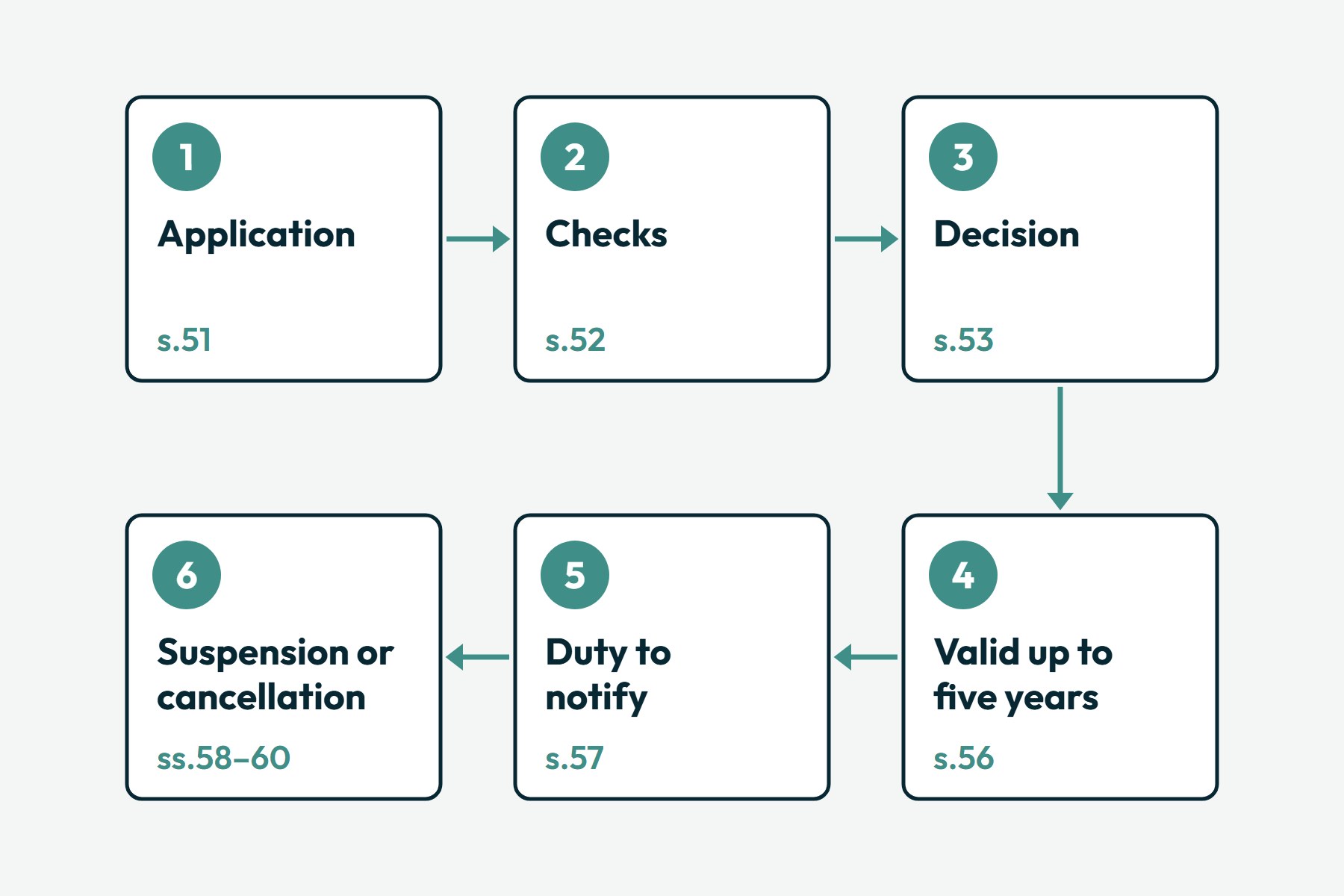
Diagram of six numbered stages of a security clearance, from application and checks to suspension or cancellation, each with its section

Cannabis security clearance: who needs one and why

Who at a Canadian cannabis licence holder must hold a Health Canada security clearance, what the application involves, and why the Cannabis Act requires it.

Read more →
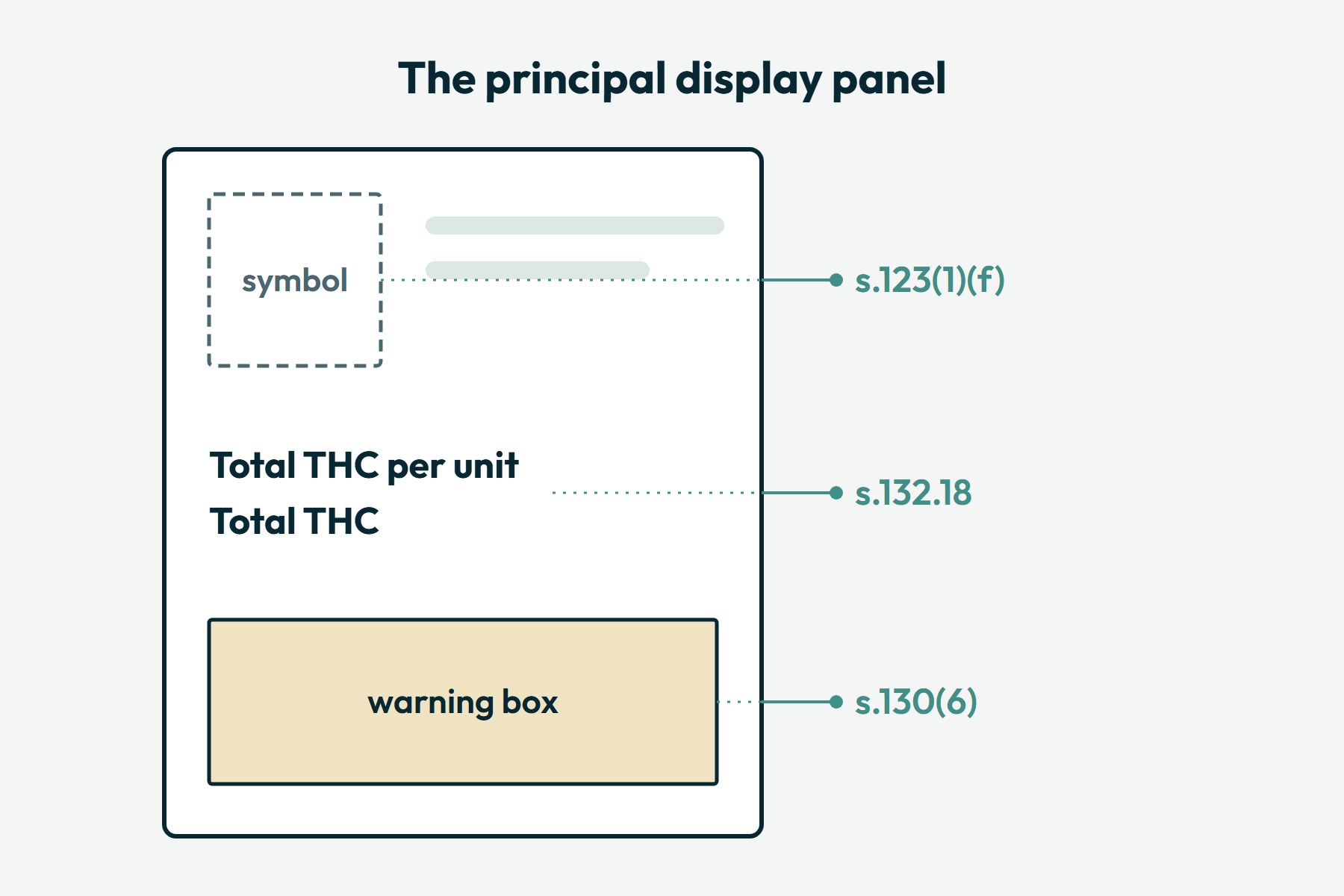
Line diagram of a blank principal display panel marking the symbol position, the Total THC lines and the warning box by section

THC label Canada: reading the THC lines on a legal package

How the THC information on a legal Canadian cannabis label is set out: what each Total THC line means, how it must be printed, and the two marks that flag THC.

Read more →
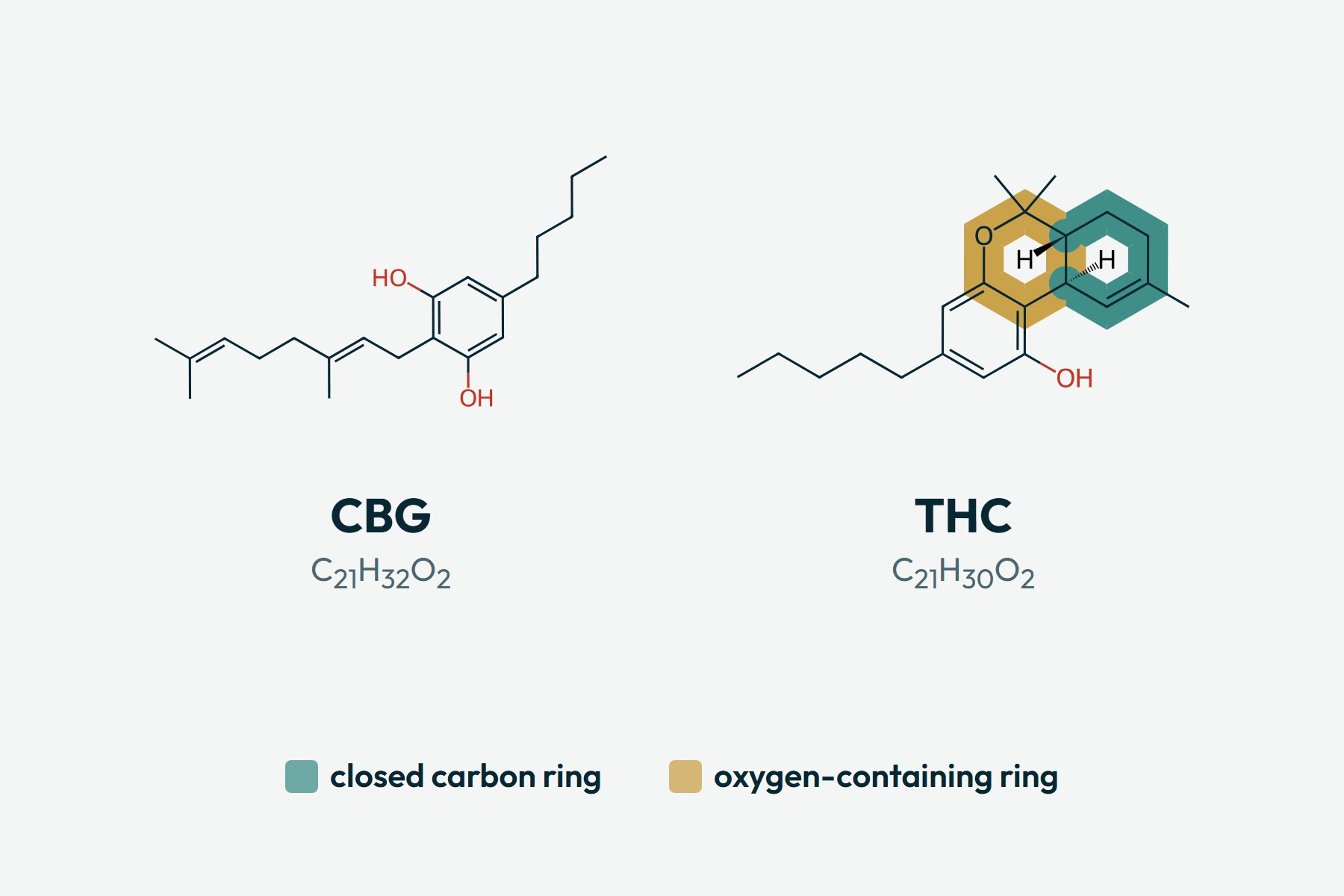
Line drawings of the CBG and THC structures side by side, with THC's closed carbon ring and oxygen-containing ring highlighted

CBG vs THC, compared as compounds and under the law

CBG and THC compared as molecules and as regulated substances: the enzyme step between them, their structures, and how the Cannabis Regulations classify each.

Read more →
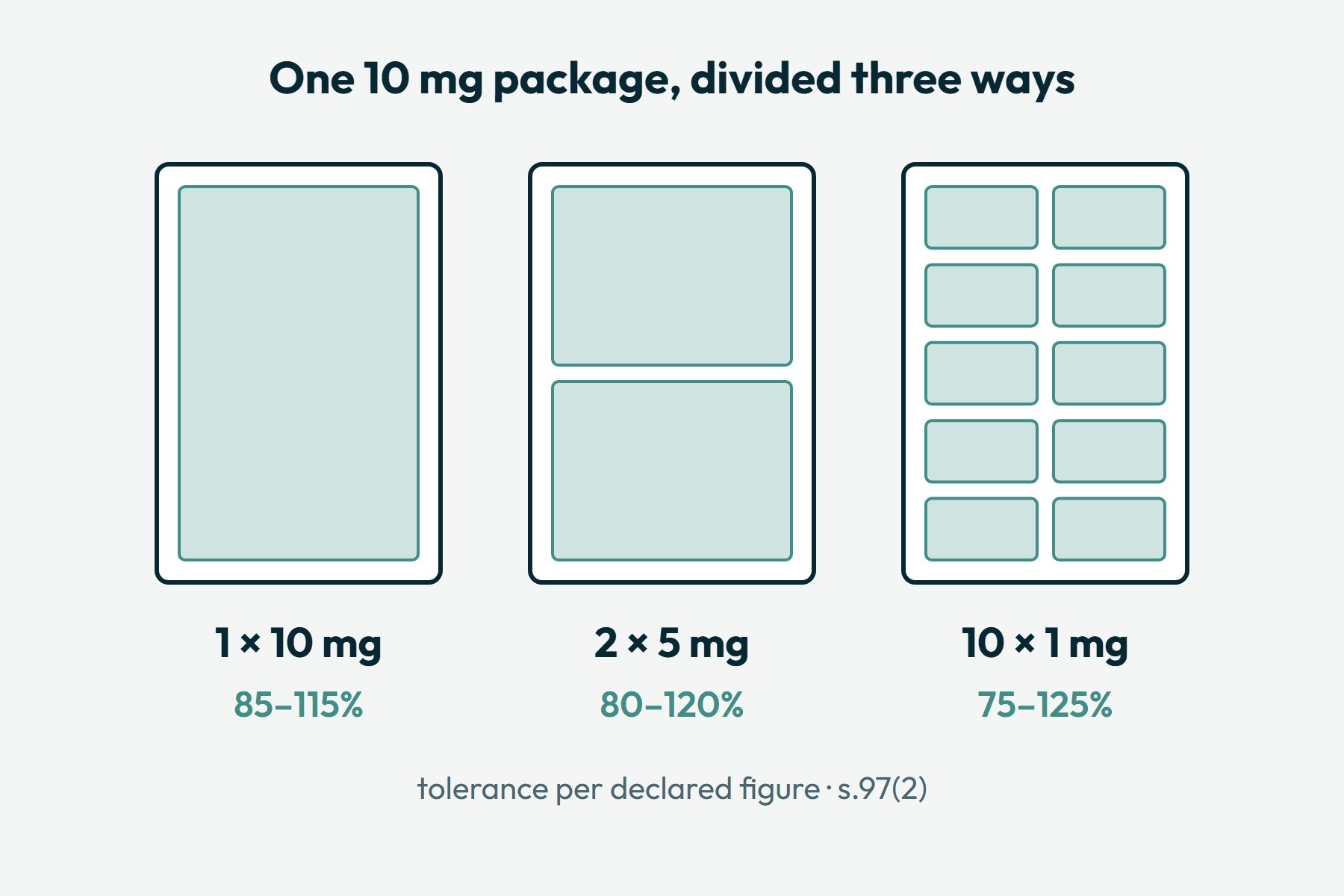
Diagram of one 10 mg package as one 10 mg unit, two 5 mg units or ten 1 mg units, with the tolerance band for each figure

Low dose edibles: what the term means on a label

Canada's Cannabis Regulations never define low dose. What a legal edible label states instead, and the rules that apply when the 10 mg cap is divided finely.

Read more →
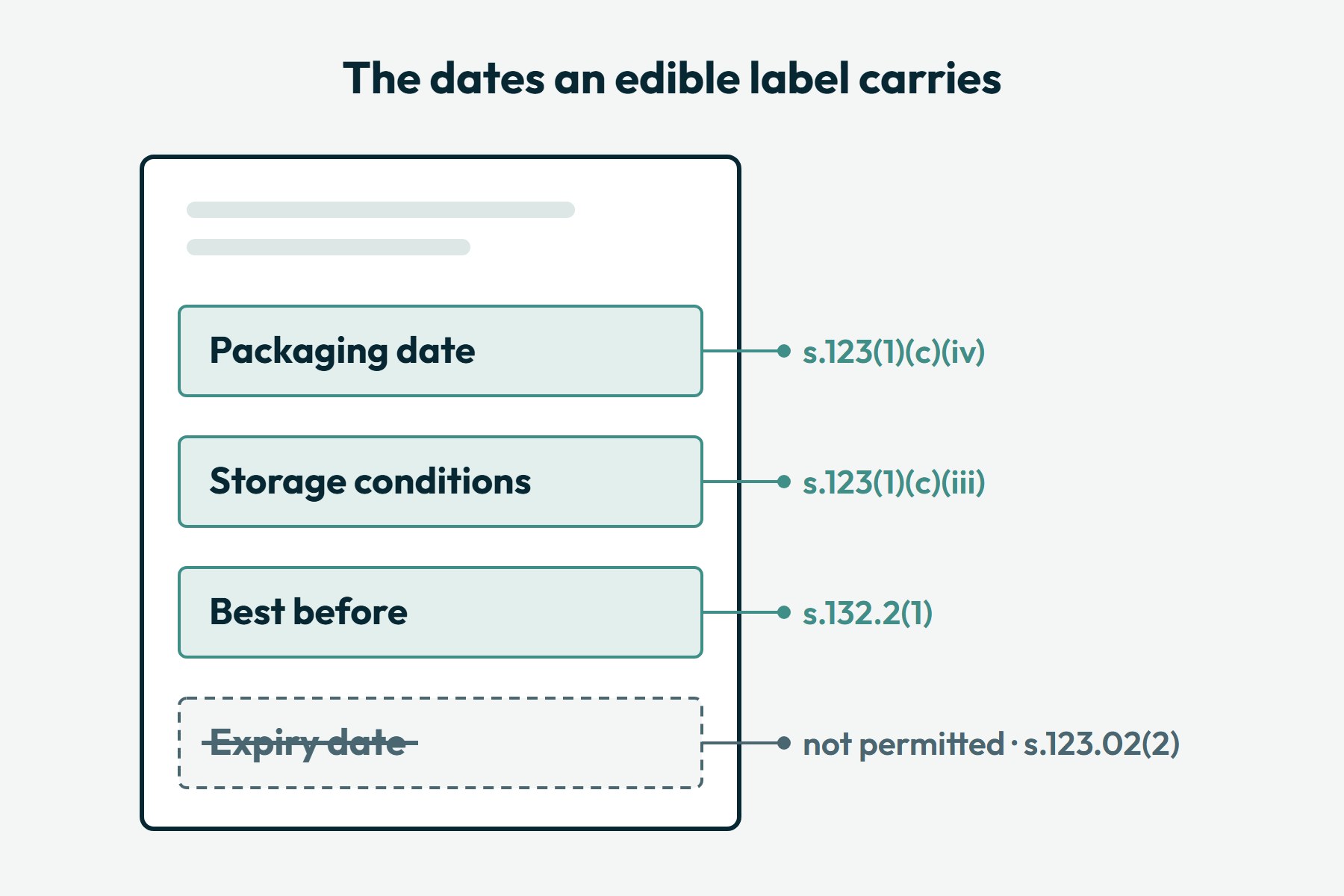
Diagram of a generic edible label marking packaging date, storage conditions and best before, with expiry date struck out as not permitted

Do edibles expire? Shelf life and the label dates

Why a legal Canadian edible carries no expiry date, what the packaging date and a best-before date mean, and what can change in a stored chocolate product.

Read more →
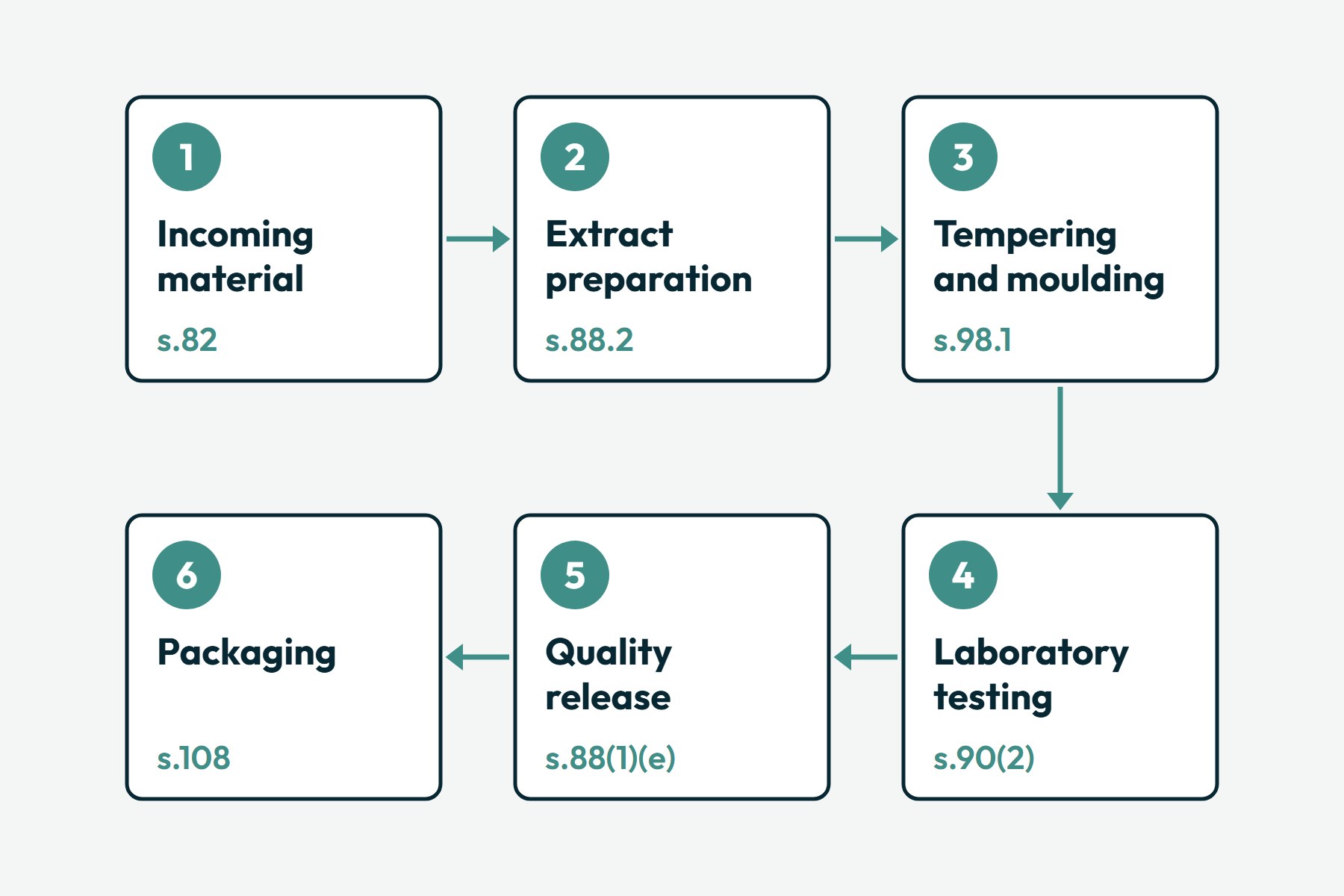
Diagram of six numbered stages, from incoming material to packaging, each with the section of the Cannabis Regulations behind it

How are cannabis edibles made? The licensed process

The licensed process for a Canadian cannabis edible, step by step: verified inputs, a written control plan, extract preparation, testing, release and packaging.

Read more →
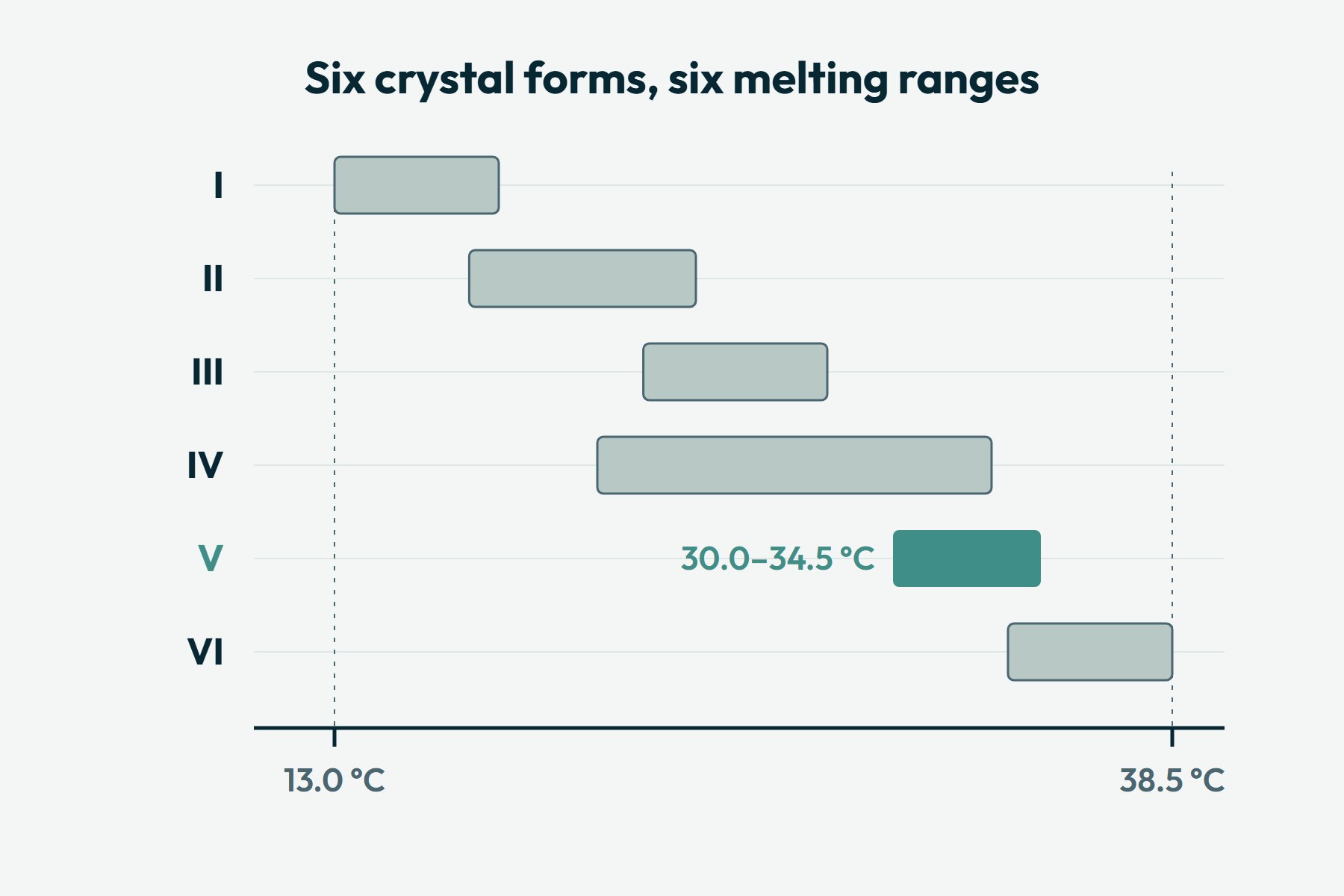
Bar chart of the melting ranges of cocoa butter crystal forms I to VI, with Form V at 30.0 to 34.5 °C highlighted

Cocoa butter melting point: why it is a range

Why cocoa butter has no single melting point: three molecules, six crystal forms with overlapping melting ranges, and what that means for a moulded piece.

Read more →
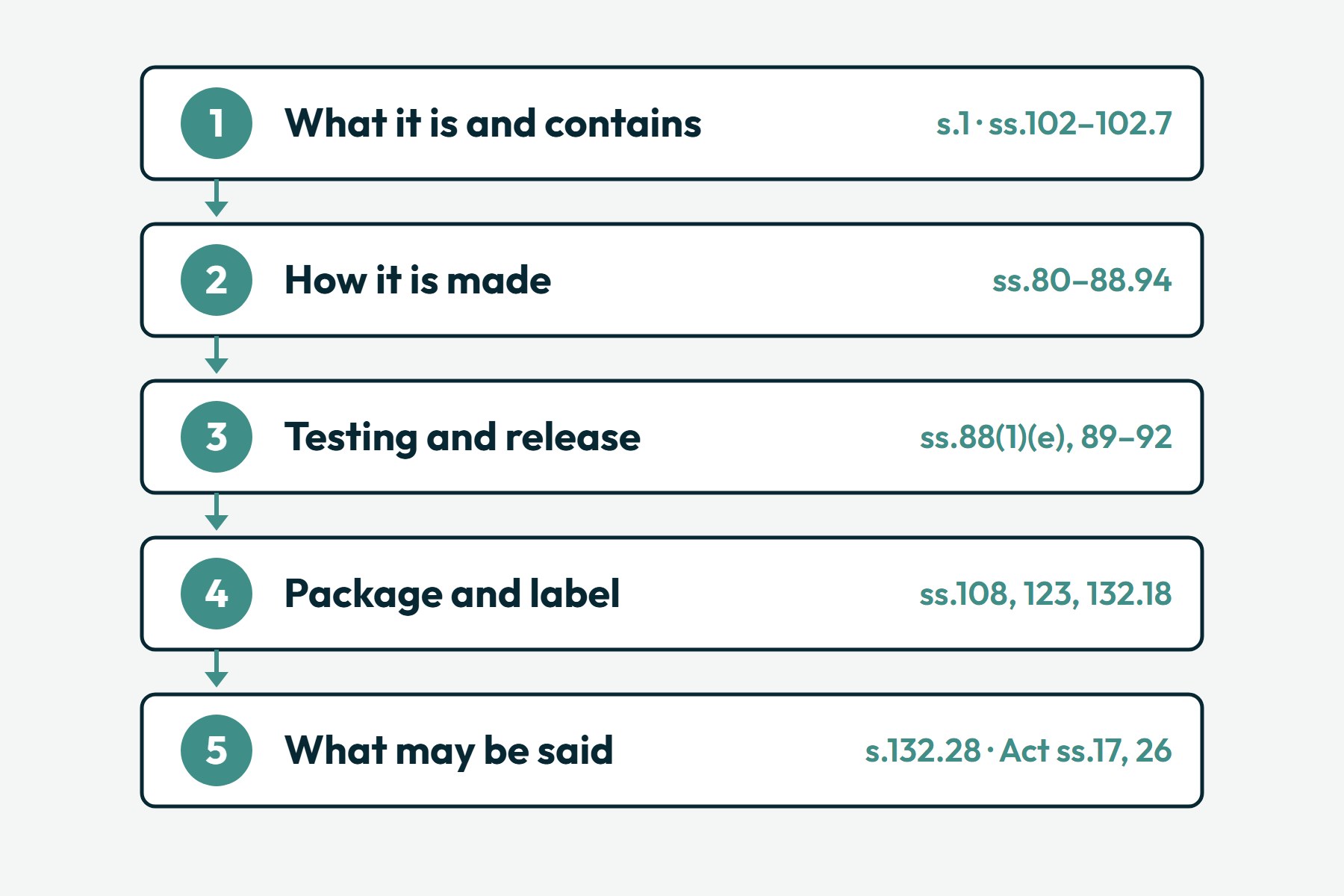
Flow diagram of five regulatory stages for an edible, from definition and contents to what may be said, each with its section numbers

Cannabis edible regulations Canada: the rules in one map

The federal rules for an edible in Canada, stage by stage: what it may contain, how it must be made, how it is tested, packed and labelled, and what it may say.

Read more →
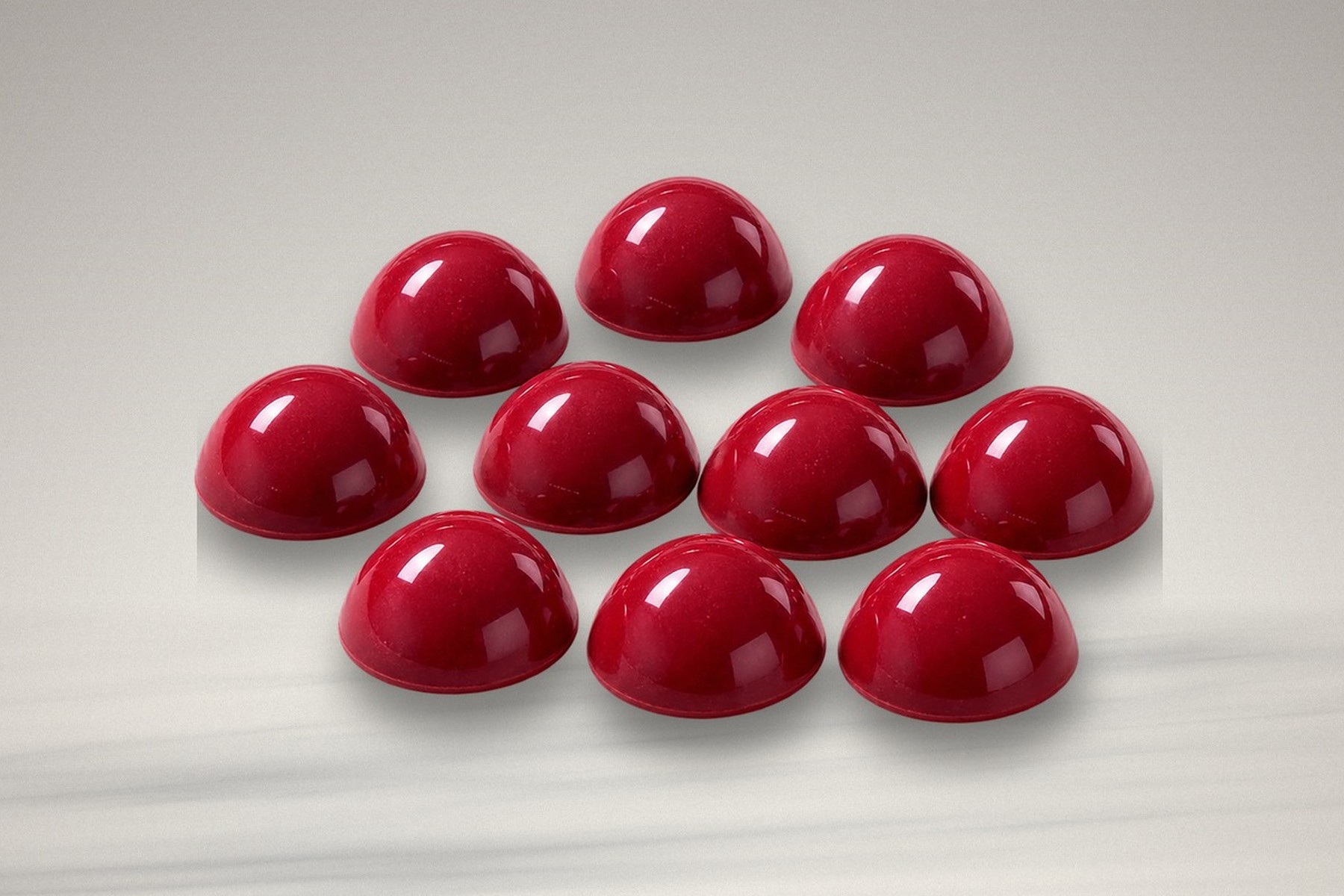
The ten raspberry chocolate pieces in a pack of MICRO ZEST RASPBERRY

Health Canada cannabinoids rules for edible cannabis

How the Cannabis Regulations govern THC and CBD in edible cannabis in Canada: the 10 mg package limit, label declarations, variability limits and ingredients.

Read more →
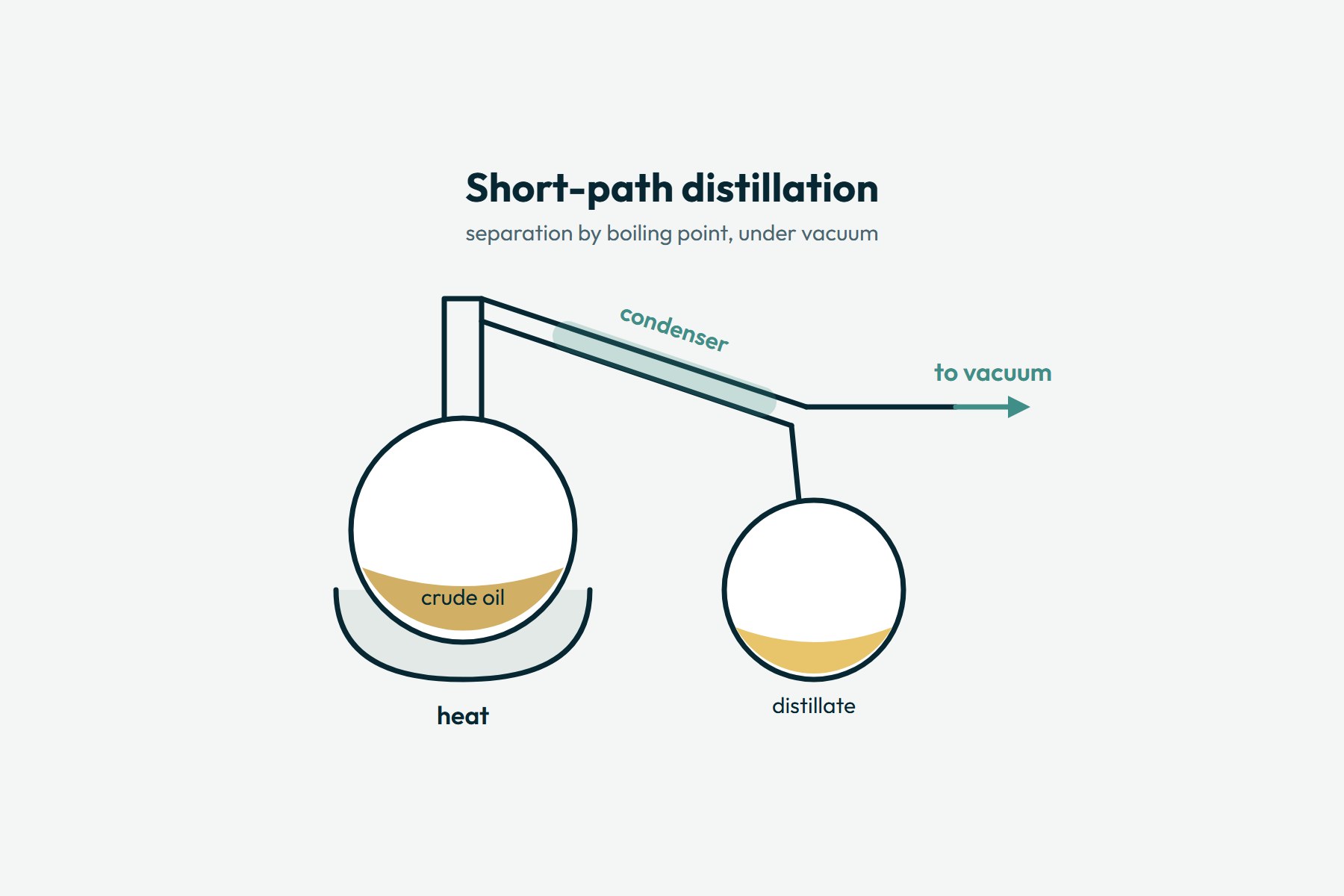
Diagram of short-path distillation: a heated flask of crude oil, a condenser under vacuum, and a receiving flask of distillate

Distillation THC: how crude oil becomes distillate

How THC distillation works: extraction yields a crude oil, vacuum distillation separates it by boiling point, and the result is called distillate.

Read more →
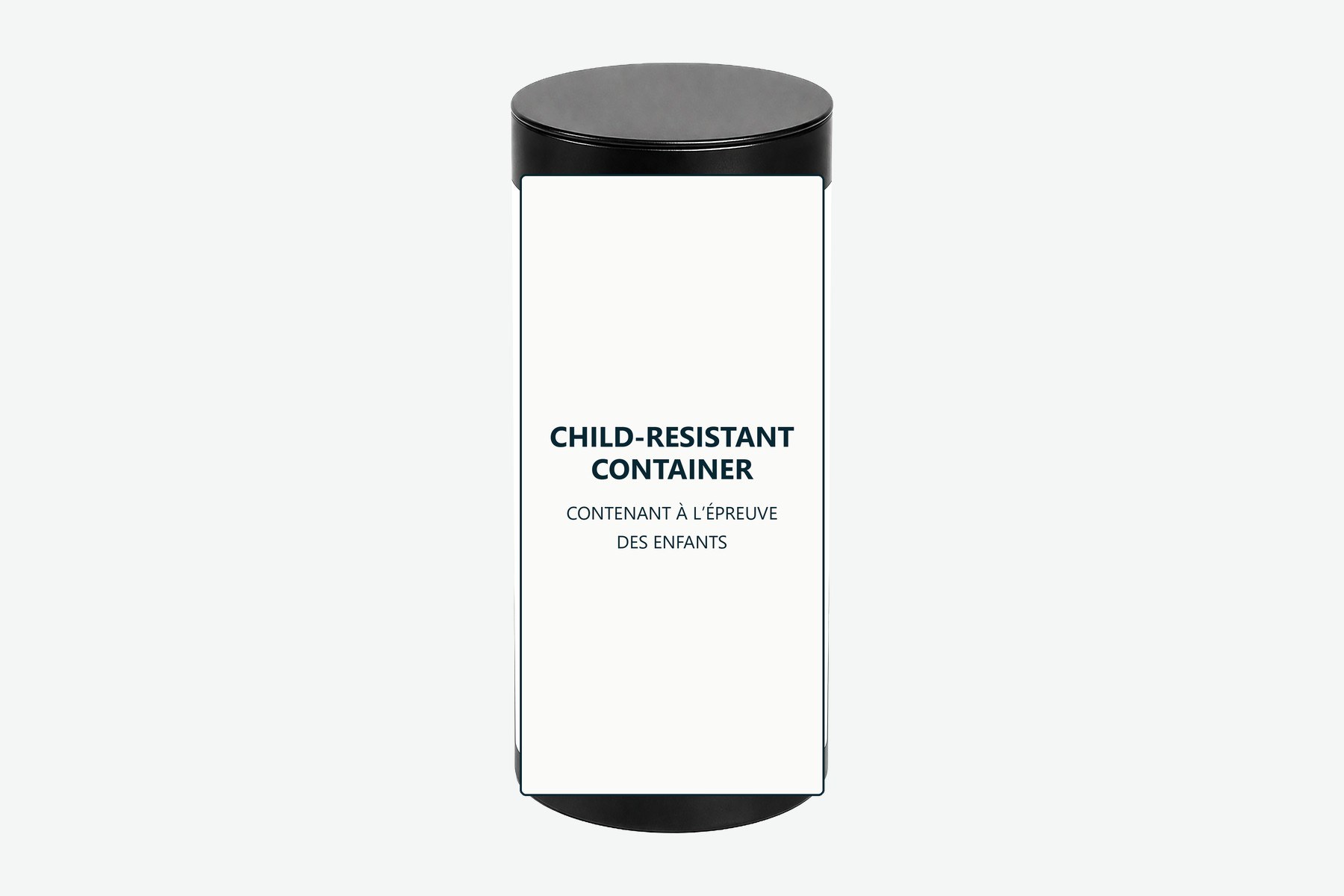
A closed black child-resistant container with a plain label reading Child-Resistant Container

Storage for cannabis at home: Health Canada's guidance

Health Canada's guidance on storing cannabis at home, why edibles need particular care around children, what to do in an emergency, and how heat affects chocolate.

Read more →
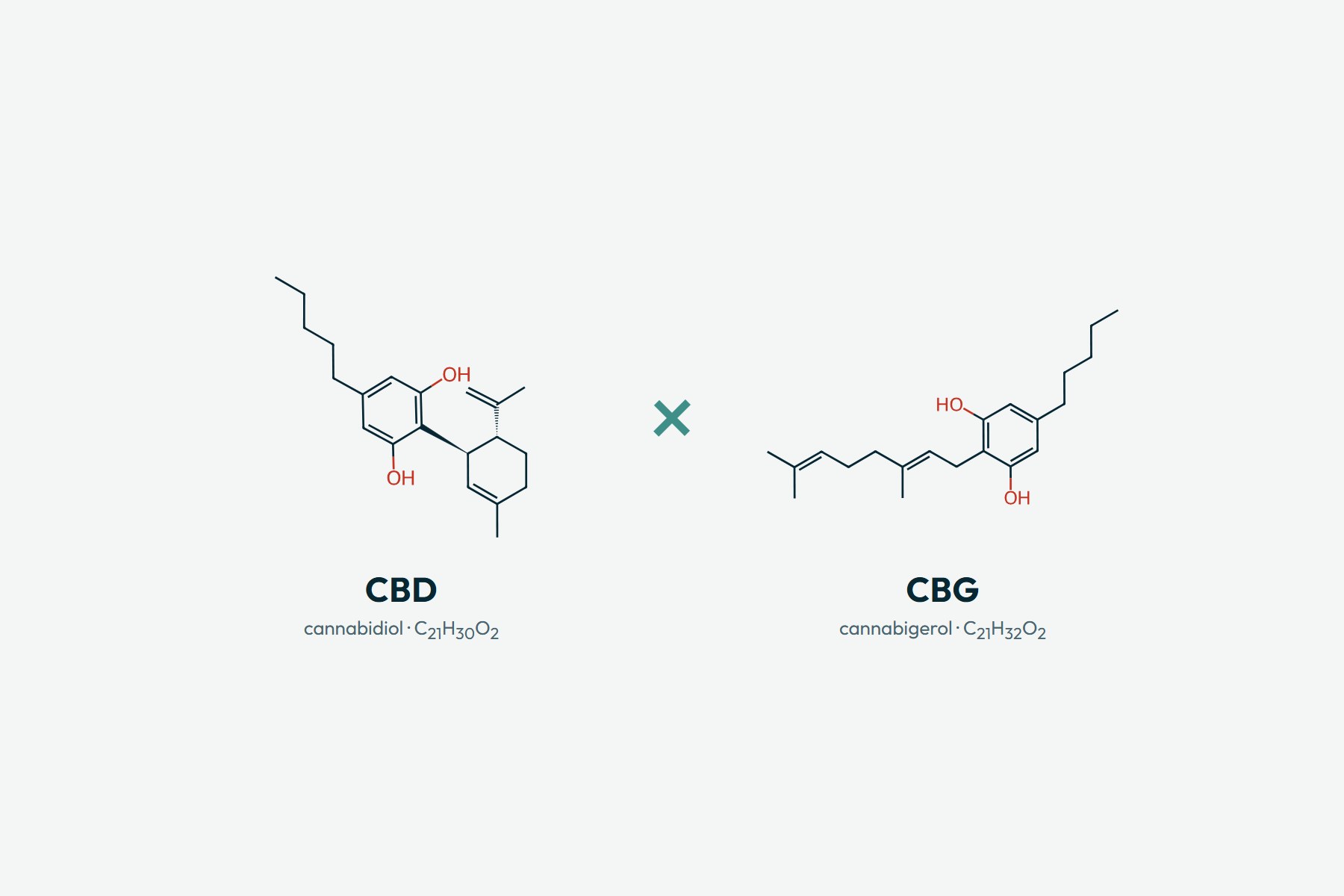
Chemical structures of cannabidiol (CBD) and cannabigerol (CBG) side by side

CBG vs CBD: how the two cannabinoids differ as compounds

CBG and CBD compared as molecules: their shared precursor, the structural difference, typical plant content, and how Canada's Cannabis Regulations handle each.

Read more →
Sophia’s Garden Artisan
Photography to come

Canadian cannabis: what the phrase means for a legal product

What Canadian cannabis means for a legal product: federal licensing under the Cannabis Act, provincial distribution, lot testing and provincial excise stamps.

Read more →
The ten dark chocolate pieces in a pack of MICRO ZEN DARK

How long does an edible last? Health Canada's figures

What Health Canada publishes on how long edible cannabis takes to act and how long it can last, with its guidance on dose, waiting, storage and emergencies.

Read more →
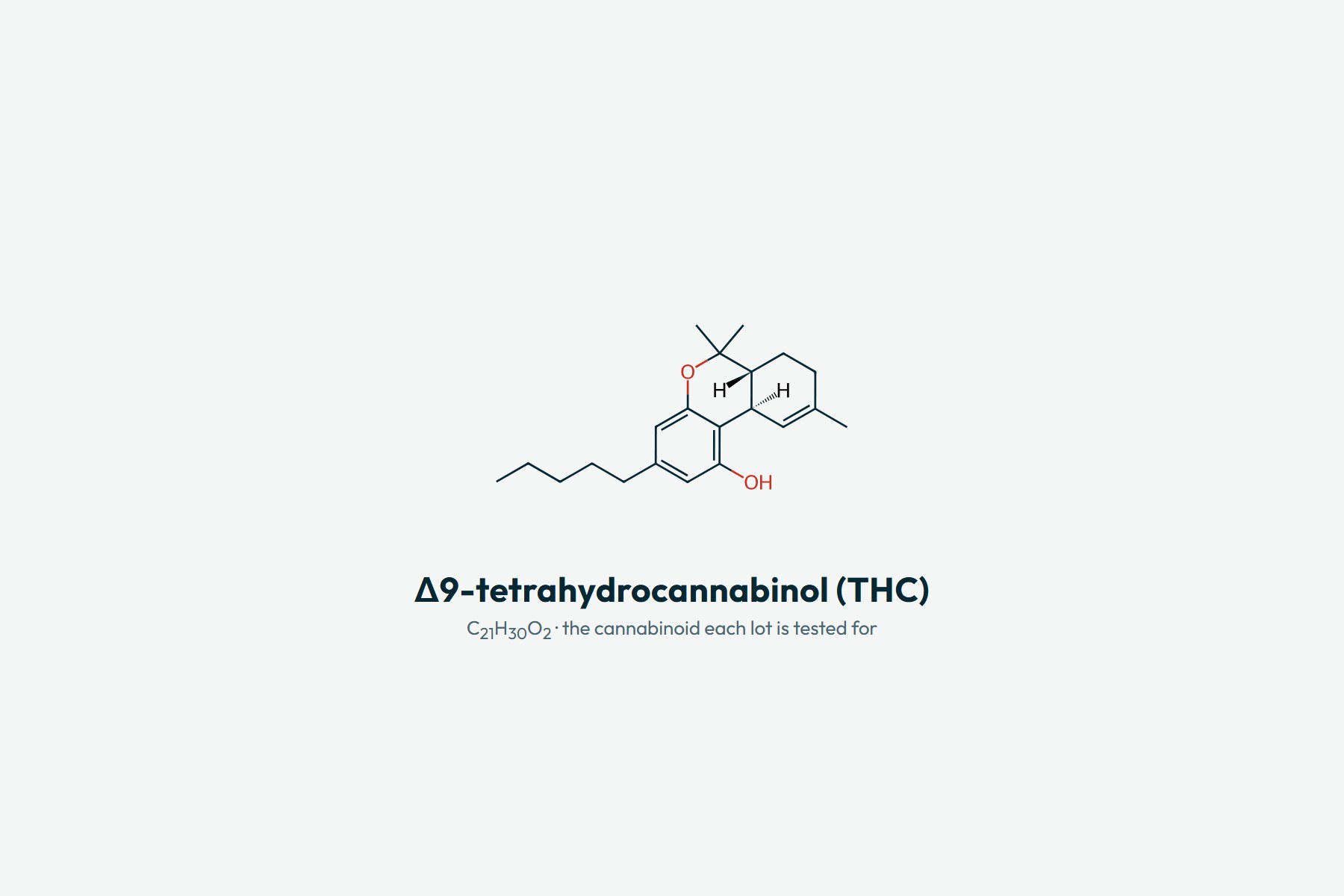
Chemical structure of delta-9-tetrahydrocannabinol (THC), molecular formula C21H30O2

Cannabis testing: how a legal product is checked

What the Cannabis Regulations require to be tested on every lot of a legal cannabis product in Canada, who performs the testing, and who releases the lot.

Read more →
MICRO ZEN MILK — milk chocolate pieces

Tempering milk chocolate: milk fat and cocoa butter crystals

How milk fat changes cocoa butter crystallisation, why milk chocolate tempers at lower temperatures than dark, and what bloom and soft set indicate.

Read more →
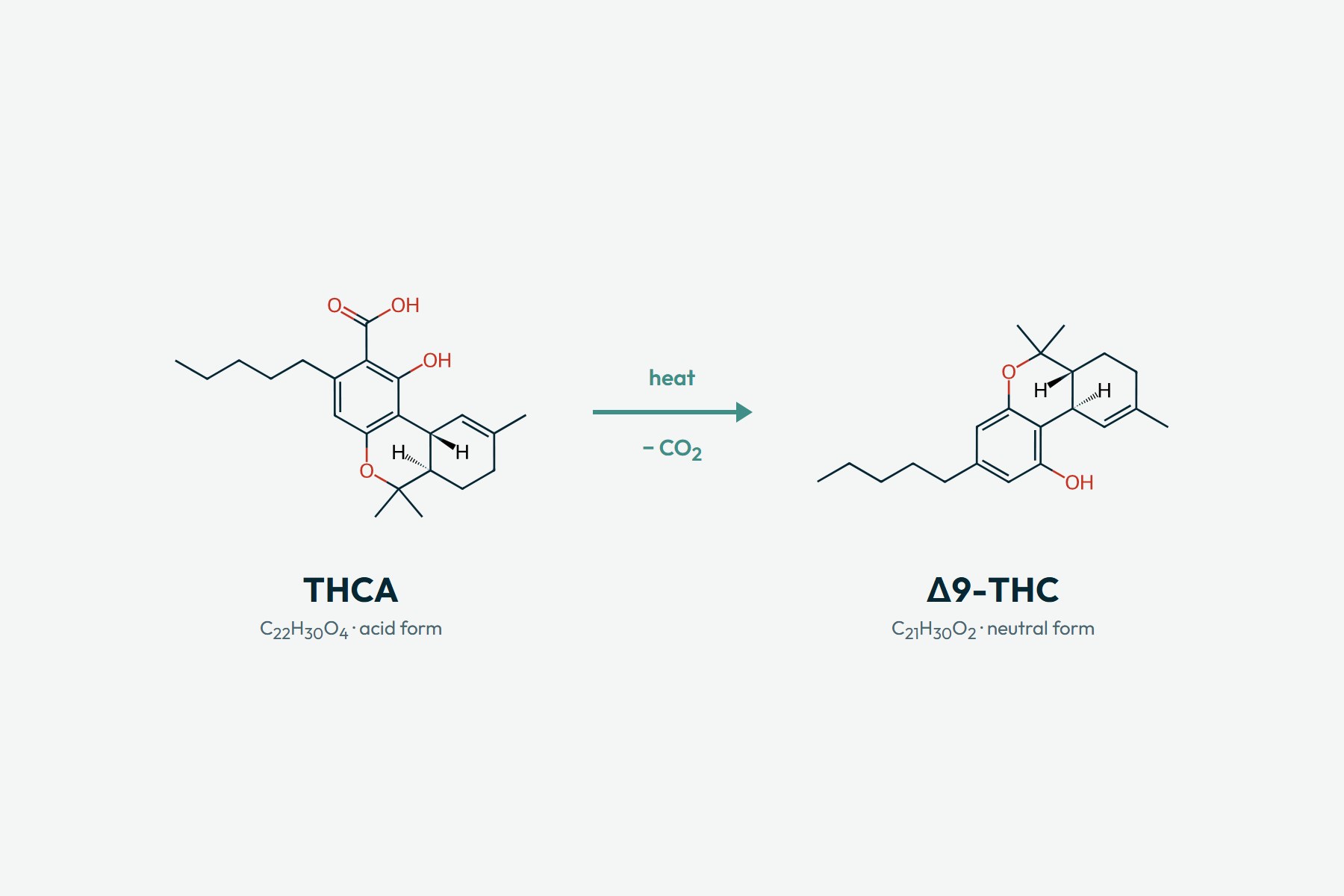
Chemical structures of THCA and delta-9-THC, with an arrow showing the loss of carbon dioxide when THCA is heated

Decarboxylation explained: acid to neutral cannabinoid

Decarboxylation explained: how heat and time convert THCA and CBDA into THC and CBD, how edible labels account for it, and why it is done before manufacturing.

Read more →
The ten milk chocolate pieces in a pack of MICRO ZEN MILK

10mg THC on a Canadian edible label, explained

What 10mg THC means on a legal Canadian edible: the Cannabis Regulations limit per container, per-unit and per-package label figures, and Health Canada advice.

Read more →
Sophia’s Garden Artisan
Photography to come

Why chocolate is a delivery system, not just a confection

Cocoa butter is one of the most useful carriers available for a cannabinoid. Here is the chemistry behind that, and why it makes chocolate a demanding medium to formulate in.

Read more →
Sophia’s Garden Artisan
Photography to come

The engineering behind a one-milligram dose

Low-dose products are harder to manufacture than high-dose ones, not easier. Why precision gets more difficult as the number gets smaller, and what that demands of a production process.

Read more →
Sophia’s Garden Artisan
Photography to come

Cocoa butter cannabinoid extracts, explained

The extract is where our formulation work starts. What a cocoa butter cannabinoid extract is, why we build one rather than buying a finished distillate and stirring it in, and what it solves.

Read more →
Sophia’s Garden Artisan
Photography to come

How edibles are different: format, timing and why precision matters

An edible is not an inhaled product in a different wrapper. The route through the body is different, and that difference is the entire argument for measured, low-dose formats.

Read more →
Sophia’s Garden Artisan
Photography to come

Reading a certificate of analysis for an edible product

The COA is the document behind every figure on a package. What it reports for an edible product, what each section is confirming, and how a retailer should read one.

Read more →
Sophia’s Garden Artisan
Photography to come

What a Health Canada licence requires of a processor

“Health Canada licensed” appears on a great deal of packaging and is rarely explained. What the licence actually authorises, and the obligations that come with holding one.

Read more →
Sophia’s Garden Artisan
Photography to come

Why legal cannabis packaging looks the way it does

Plain-packaging rules shape almost every visual decision on a legal cannabis package. What the rules require, and what building a brand inside them actually involves.

Read more →
Sophia’s Garden Artisan
Photography to come

What budtenders should know about low-dose chocolate formats

Written for the counter. What actually distinguishes our two formats, what the numbers on the package mean, and what can and cannot be said to a customer.

Read more →
Sophia’s Garden Artisan
Photography to come

How our product reaches an Ontario shelf

A licensed producer cannot sell recreational cannabis directly to the public. The actual path from a Thunder Bay facility to a shelf in an Ontario store, and what it means for how we communicate.

Read more →