
Posted
How are cannabis edibles made
How are cannabis edibles made in a licensed facility
A legal edible is made like a food, under a second set of rules a food plant never sees, and it leaves only when a quality decision says it can. This is the path, step by step.
Most answers to how are cannabis edibles made describe a kitchen: warm some chocolate, stir in an extract, pour it into moulds. A licensed edible goes through those physical steps too, but the kitchen version leaves out nearly everything that makes it legal. The Cannabis Regulations handle an edible as a food made under a second set of rules, with written controls before the first batch, a laboratory result after the last step, and a release decision that belongs to a named quality role rather than to the people selling the product.
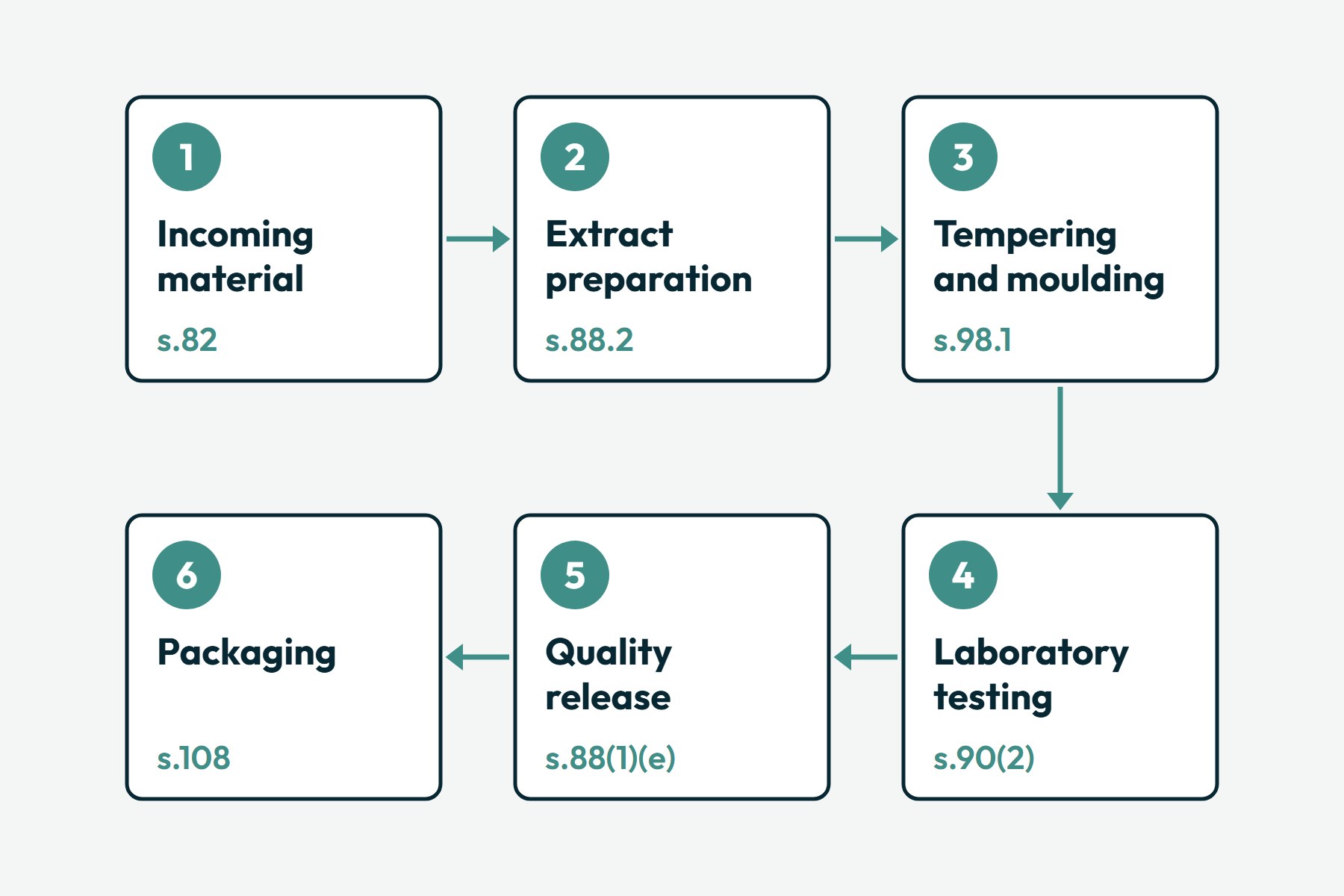
What follows is that path in the order a processor works through it. It is the sequence set out on our craft manufacturing page, with the regulation behind each step.
In this article:
Before production: the plan and the inputs
Production starts on paper. Section 80 of the Cannabis Regulations requires every activity, from production and packaging to storage, sampling and testing, to run under standard operating procedures. Under section 88(1)(c) those methods must be approved by the quality assurance person before they are put into use. For edibles there is a further document. Section 88.93 requires the processor to identify the biological, chemical and physical hazards in its production and control them with measures shown by evidence to work, and section 88.94 requires a written preventive control plan: the critical control points, the critical limits at each one, how they are monitored, what happens when a limit is missed, and how the whole plan is verified. Records showing that plan in use must be kept for at least two years.
Then the materials arrive. An edible may contain only food and food additives, under section 102(1), so everything except the cannabinoid is a food ingredient and is received as one. The cannabinoid inputs are the part a food plant never handles. Ours are sourced from licensed suppliers and verified on receipt, and all incoming material is received under the record-keeping the licence requires. Section 82 then requires anything that will be used as an ingredient to be stored under conditions that maintain its quality.
In production: extract, temper, mould
The building matters before the process does. Section 88.3 prohibits producing cannabis in a building where food for sale is also produced or packaged, so an edible plant is not a food plant with a cannabis room added. Section 88.2 requires temperature and humidity to be held at levels appropriate to each activity, and section 88.1 requires anyone working on edible cannabis to have the competencies and qualifications that work needs.
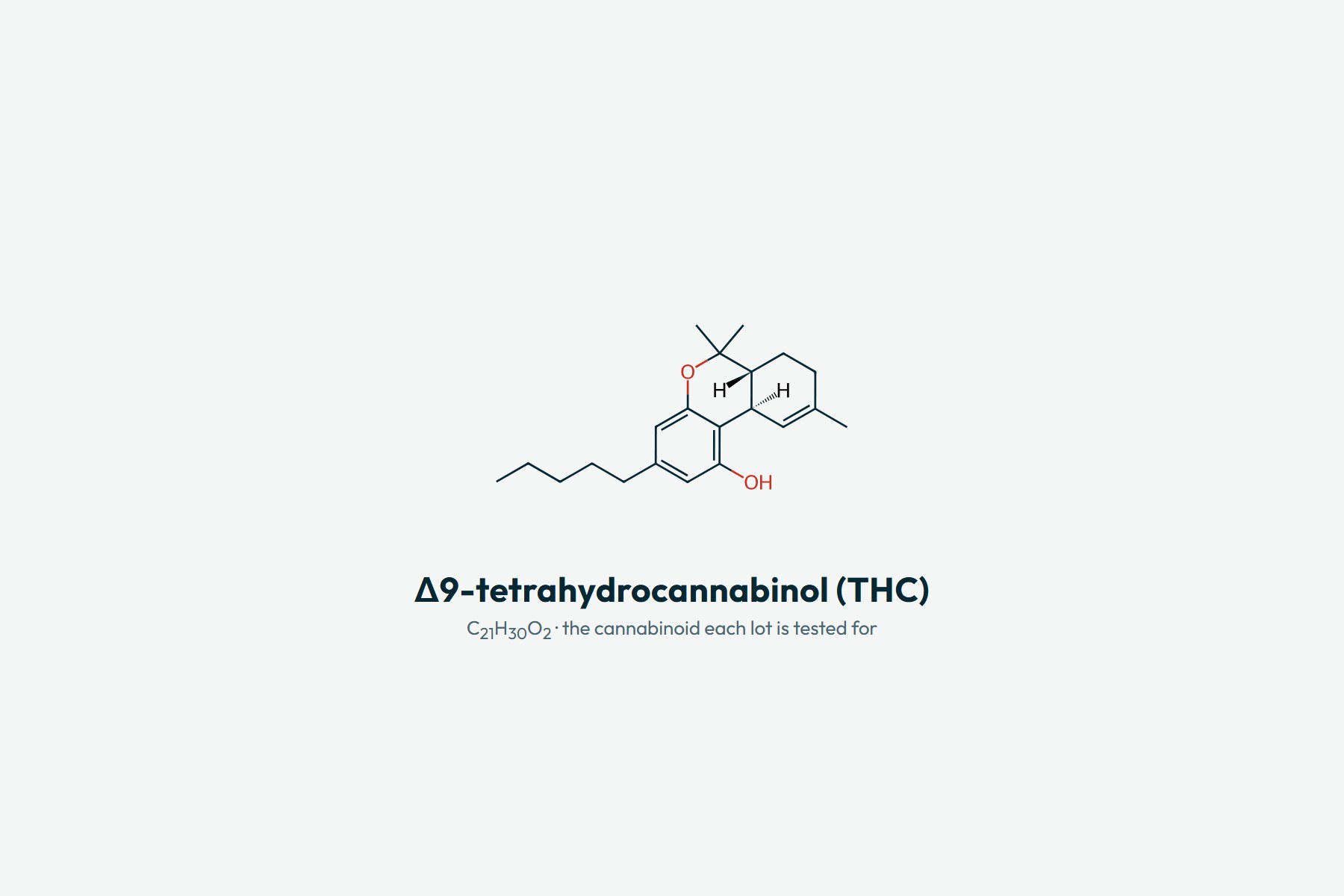
The first production step is the extract. Cannabinoids are lipophilic, meaning they associate with fat, so in our process the cannabinoid is built into the cocoa butter phase as a controlled step of its own before any chocolate is made. The order is deliberate. Once chocolate sets, whatever distribution existed in the batch is locked into the individual units, so the even distribution has to exist before the fat ever reaches a mould.
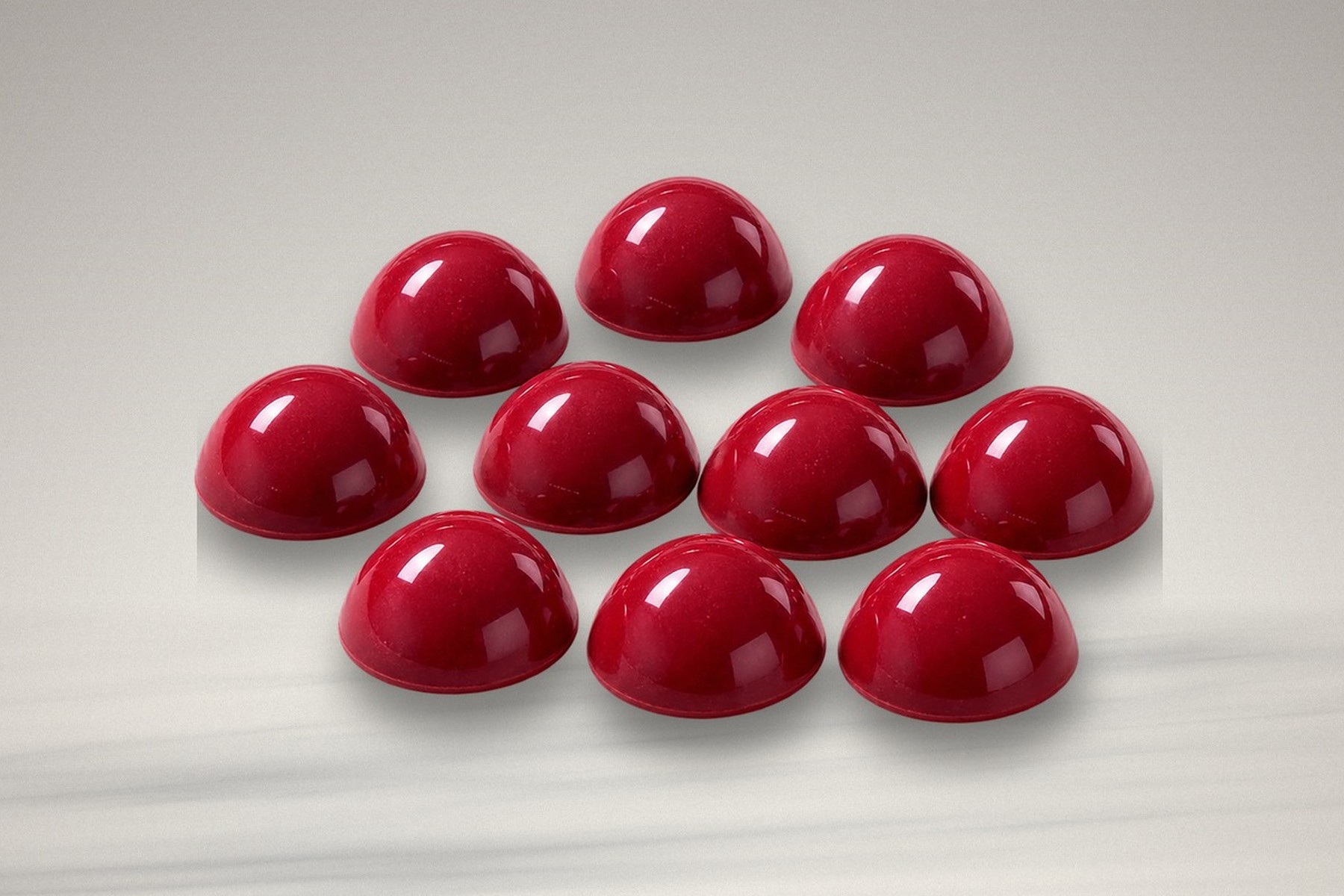
The batch is then tempered and moulded into individual units, under controlled temperature and humidity. Tempering steers the cocoa butter into the crystal form chocolate needs; moulding fixes the size of each unit. Size is a regulatory requirement as well as a manufacturing one: section 98.1 prohibits selling a container of multiple units unless their properties, including size, are consistent. We work in small batches, so each production run is small enough to be checked closely and adjusted, rather than large enough that problems are discovered after the fact.
After production: test, release, pack
A sample from the lot goes to a third-party licensed analytical laboratory. Under section 90(2), the cannabinoid test is run on the final form of the product, which for a chocolate means the set unit, and section 89 forbids selling any cannabis product until the required testing is complete. What the laboratory measures, and how, is covered in how cannabis testing works before a legal product reaches a shelf.
A passing result is not yet a release. Section 88(1)(e) requires every lot or batch to be approved by the quality assurance person before it is made available for sale. That person confirms the lot meets requirements, and product does not ship on commercial judgement alone.
Packaging is the last controlled step. Section 108 requires the immediate container to prevent contamination, to carry a security feature showing it has not been opened, and to meet the child-resistant standard in the Food and Drug Regulations. Section 122.2 holds the container, and any wrapper touching the product, to packaging requirements in the Food and Drug Regulations and the Safe Food for Canadians Regulations, as if the edible were a food. The label carries the lot number that ties each package back to the analysed lot, along with the per-unit and per-container THC and CBD figures, ingredients, allergens and a nutrition facts table required by section 132.18.
So the full answer to how are cannabis edibles made is longer than the kitchen version, and most of the extra length is control: a plan approved before production, a fat phase prepared before the chocolate, a measurement on the finished unit, and a release decision made by the person accountable for quality. From there the product enters the provincial system, which is described in how our product reaches an Ontario shelf. Formulation, production and quality sit in the same building in Thunder Bay, Ontario, which is how we keep each of those steps close to the others.